
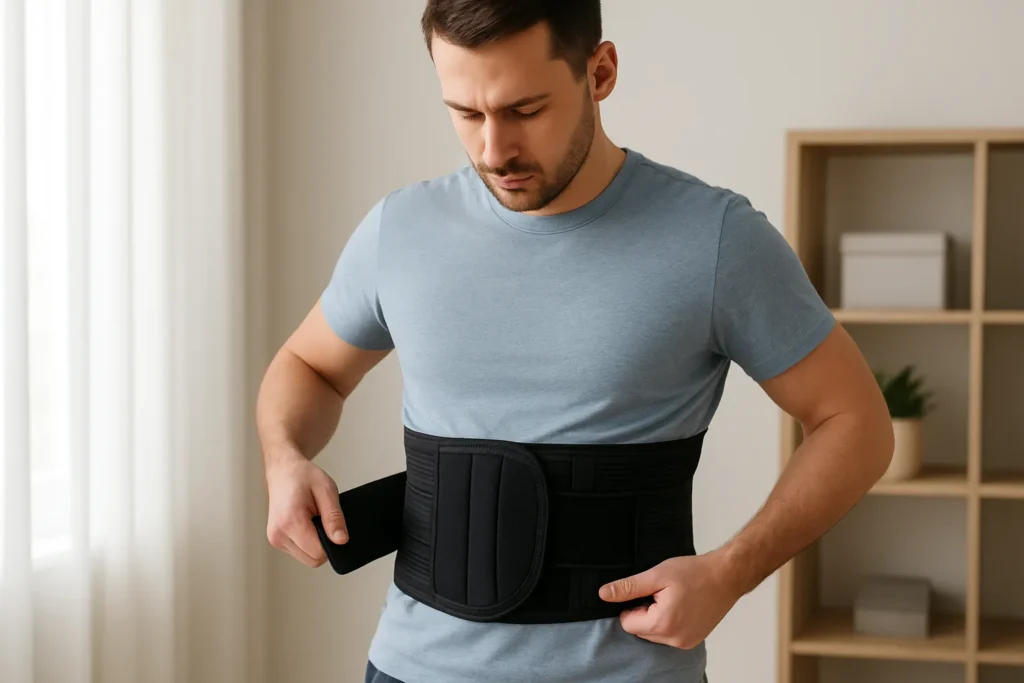
Choosing the Right Back Brace for Lumbar Support: A Beginner’s Guide
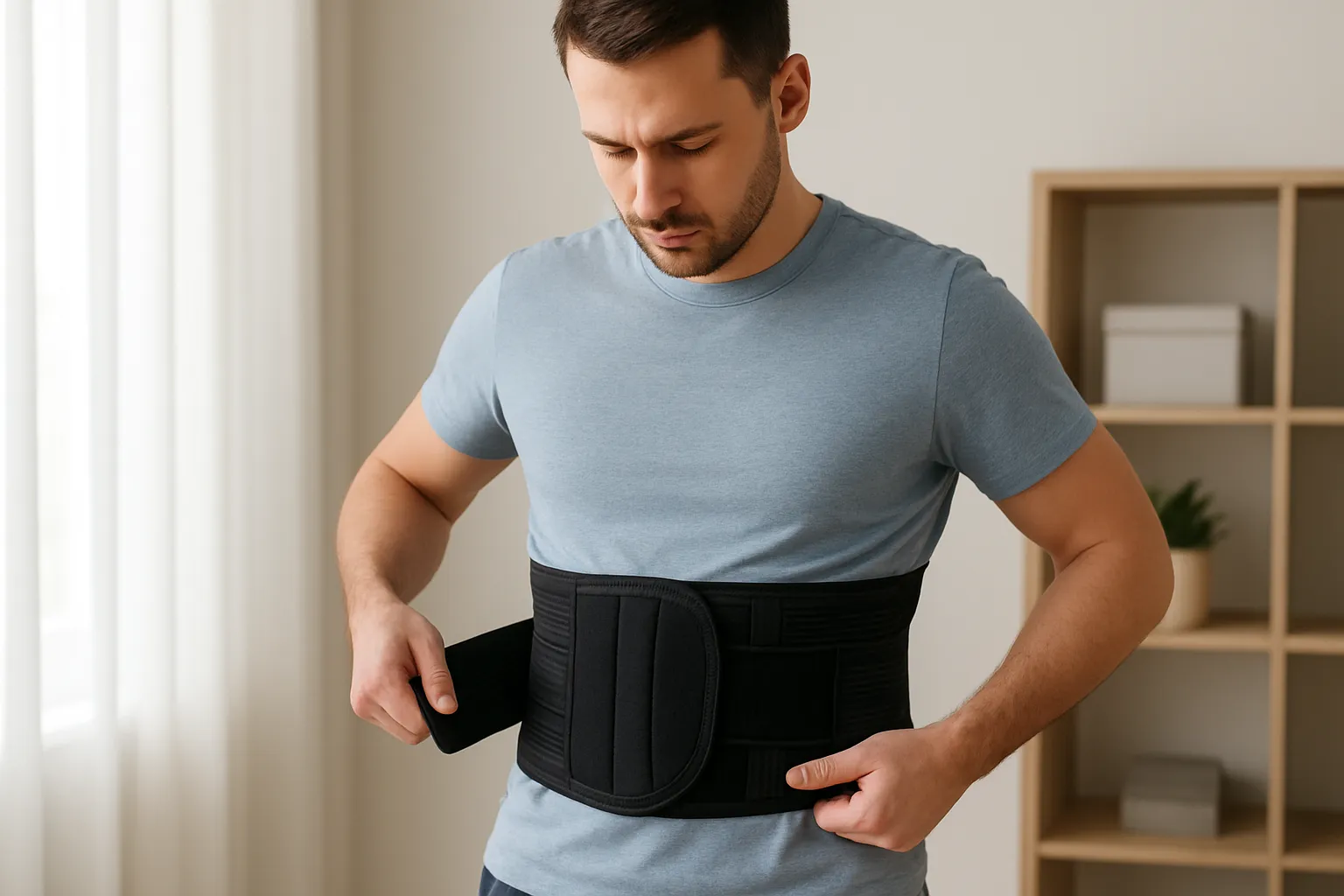
Choosing the right back brace for lumbar support can significantly impact your comfort and mobility, especially if you suffer from lower back pain. Effective braces provide a balance between support and flexibility, allowing you to maintain daily activities while alleviating discomfort. Key considerations include material, support level, and fit.
Essential Steps to Choose a Back Brace for Lumbar Support
- Assess Your Needs: Identify the type and location of your pain. If discomfort is primarily in the lower back, a brace designed for lumbar support is essential.
- Duration of Use: Consider how long you will wear the brace. For extended use, look for comfort and breathability.
- Activity Level: If you lead an active lifestyle, choose a brace that allows full motion while providing support. Adjustable straps can enhance movement without compromising stability.
- Consult a Professional: Seek advice from a healthcare provider for tailored recommendations, especially if you have underlying health issues.
- Avoid Common Pitfalls: Don’t choose a brace that is too tight or one based solely on price. Prioritize comfort and fit.
Comparison of Back Braces: Types and Features
Understanding the different types of back braces is crucial:
- Rigid Braces: Provide maximum stability, ideal for recovery from surgery or severe injuries. They limit movement but may hinder daily activities.
- Semi-Rigid Braces: Offer a balance between support and mobility, suitable for physical activities while providing necessary support.
- Soft Braces: Made from elastic or neoprene, these offer light support for minor pain relief or preventive measures during exercise.
Evaluate how each type fits your lifestyle and addresses your lumbar support needs. Common mistakes include neglecting to consider the required support level or failing to try several options before purchasing.
Common Mistakes to Avoid When Selecting a Back Brace
- Wrong Size: An ill-fitting brace may not provide adequate support. Always measure your waist and refer to the sizing chart.
- Material Breathability: Look for braces made from breathable fabrics to prevent discomfort during extended wear.
- Adjustment Features: Choose a model with adjustable straps for a customized fit.
- Activity Level Consideration: Ensure the brace allows flexibility and support without restricting movement.
- Aesthetics Over Functionality: Prioritize stability and comfort over appearance.
Frequently Asked Questions About Back Braces for Lumbar Support
- How long should I wear a back brace? Wear it during activities that strain your back, not continuously. Limit wear to a few hours at a time.
- What is the difference between a back brace and a support belt? A back brace provides more rigid support for therapeutic purposes, while a support belt is more flexible for light support during activities.
- When should I consult a doctor? Seek medical advice if back pain persists despite using a brace.
Additional FAQs
- What is the best type of back brace for lumbar support? It varies by individual; consult a healthcare professional for personalized recommendations.
- Can a back brace help with chronic pain? Yes, it can provide support and relief, but addressing underlying causes is essential.
- What size back brace do I need? Measure your waist and refer to the manufacturer’s sizing chart.
- Are there any exercises I should avoid while wearing a back brace? Avoid heavy lifting and strenuous activities unless advised by a healthcare provider.
#back brace for lumbar support