
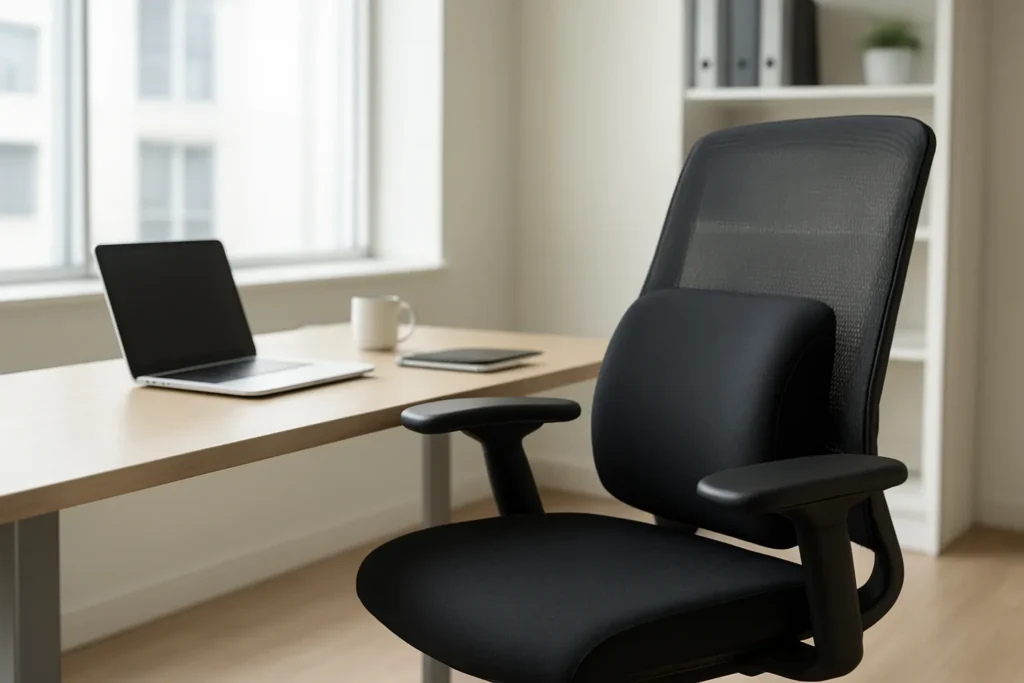
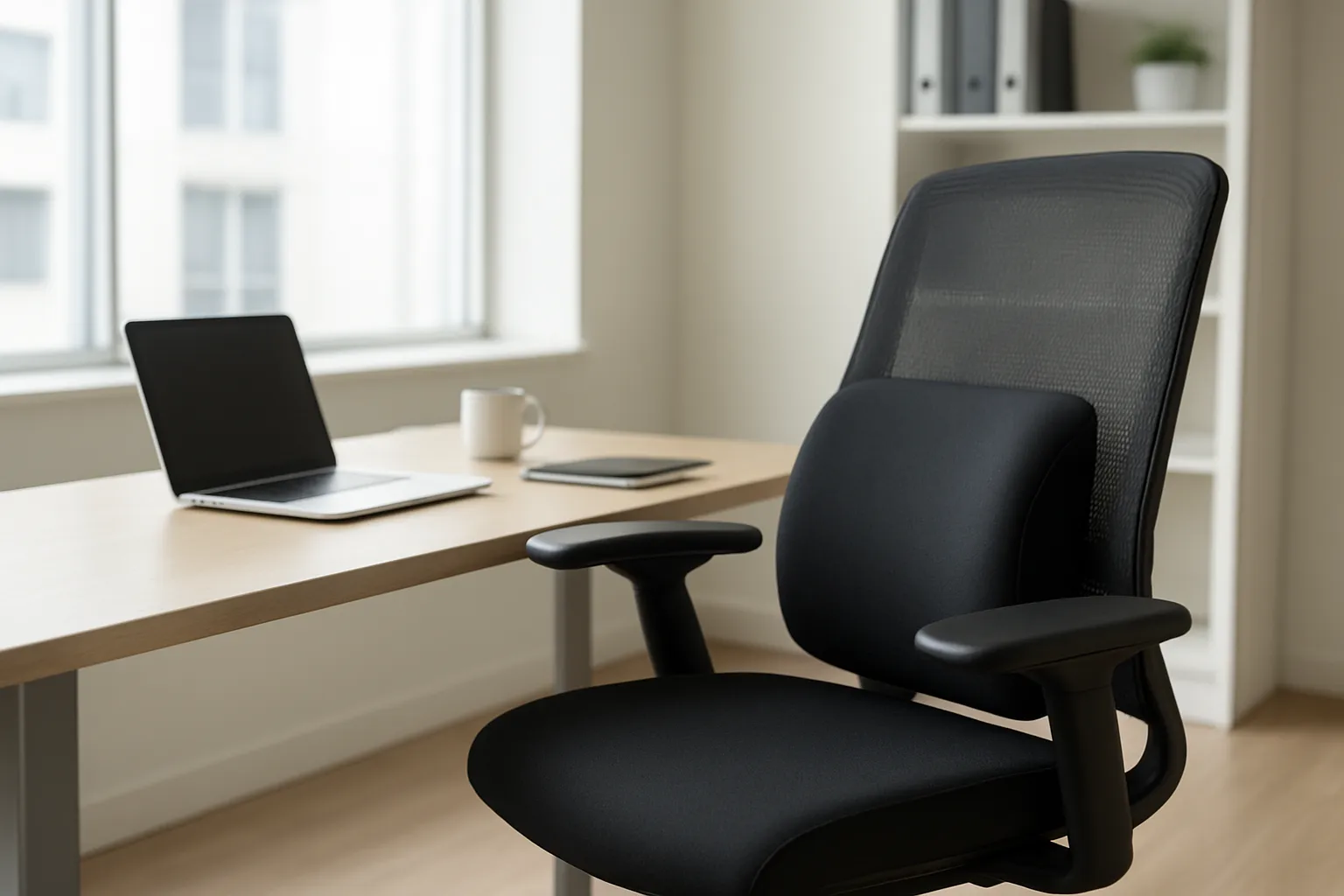
In the rapidly evolving landscape of business, the significance of ergonomics in the workplace is paramount. Employees often find themselves seated for extended periods, which can lead to various health complications if their workspaces lack proper ergonomic design. One of the critical aspects of ergonomic design is lumbar support, which is essential for maintaining spinal health and enhancing overall workplace productivity. I believe that investing in ergonomic lumbar support can significantly boost office productivity by minimizing discomfort, encouraging better posture, and fostering a more effective work environment.
Understanding Ergonomic Lumbar Support
Ergonomic lumbar support consists of specially crafted products designed to support the lower back, helping to uphold the natural curve of the spine. Effective lumbar support features adjustable height and firmness, breathability, and materials that adapt to the body’s contour. There are several types of lumbar support solutions available, including cushions, chairs with built-in lumbar features, and adjustable backrests. Each option addresses different needs, ensuring that every employee can find a suitable solution. For further insights, take a look at our blog on understanding lumbar support back braces.
The Impact on Office Productivity
The influence of ergonomic lumbar support on office productivity is noteworthy. One of the main advantages is the alleviation of discomfort and pain that often accompanies long hours of sitting. From my experience, when employees experience less pain, they tend to take fewer breaks and are less distracted by discomfort. Moreover, ergonomic lumbar support enhances focus and efficiency, allowing employees to concentrate better when they are not burdened by back pain. Various studies have indicated that investing in ergonomic solutions can lead to increased productivity, reduced absenteeism, and heightened employee satisfaction. According to an industry reference, ergonomic solutions have a positive impact on workplace performance.
Use Cases for Ergonomic Lumbar Support
Ergonomic lumbar support is applicable across diverse work settings, from traditional offices to remote workstations. It is particularly advantageous for employees who spend prolonged periods sitting, such as call center agents, data entry personnel, and IT professionals. Furthermore, individuals with pre-existing back conditions or those recovering from injuries can significantly benefit from the additional support. By providing tailored solutions, organizations can ensure that their workforce remains healthy, engaged, and productive.
Comparing Lumbar Support Options
When evaluating lumbar support options, businesses often grapple with the decision between lumbar cushions and chairs with built-in support. Lumbar cushions offer portability and can be utilized on any chair, making them a versatile choice for employees who work in various locations. Conversely, chairs with integrated lumbar support provide a more cohesive solution, typically designed to encourage better posture from the ground up. In terms of cost versus value, while high-quality ergonomic chairs may demand a more substantial upfront investment, the long-term benefits of reduced health issues and enhanced productivity can far outweigh the initial costs.
Sourcing Ergonomic Lumbar Support
Identifying the right ergonomic lumbar support products requires thorough research of key suppliers and reputable brands. Look for manufacturers that specialize in ergonomic solutions and have a proven track record of quality and customer satisfaction. Assessing product quality is crucial; consider certifications from organizations like the American Chiropractic Association or similar bodies that endorse ergonomic furniture. These certifications can assure that the products meet industry standards for safety and effectiveness.
Implementation Strategies
Integrating lumbar support into office design necessitates a thoughtful approach. Organizations should evaluate their existing furniture and pinpoint areas where ergonomic enhancements can be made. This could involve replacing outdated chairs with modern ergonomic options or introducing lumbar cushions for current seating. Additionally, training employees on the proper utilization of lumbar support is vital. Providing guidance on how to adjust chairs and cushions for optimal support can maximize the benefits of these ergonomic solutions.
Frequently Asked Questions
How to Choose the Right Lumbar Support?
Selecting the appropriate lumbar support entails considering individual needs, such as body type, existing health conditions, and personal preferences. Testing various options is essential to ensure that the chosen product offers adequate support for the lower back.
What is the Role of Office Footrests?
Office footrests complement lumbar support by promoting proper posture and alleviating strain on the lower back and legs. They help maintain a comfortable sitting position, particularly for employees whose feet do not reach the ground while seated. For more information on enhancing your workspace, check out our guide on choosing the right back brace for lumbar support.
In conclusion, investing in ergonomic lumbar support is a strategic decision for any organization aiming to enhance office productivity. By prioritizing employee comfort and well-being through effective lumbar support solutions, companies can cultivate a healthier work environment that leads to improved performance and job satisfaction.